
A recent senior study group report published by the United States Institute for Peace (USIP) identifies the growing threat that PRC-origin transnational criminal networks targeting Southeast Asia pose to regional, global and U.S. national security. These criminal actors have established industrial-scale scam compounds, often using forced labor, leading to an annual loss of nearly US$64 billion from unsuspecting victims worldwide. Southeast Asia features in the report as one of the global regions suffering the greatest harm as a result of this activity.
In the case of the Philippines, Philippine Offshore Gaming Operators (POGOs) are central to these forms of criminal operations. POGOs are largely operated by Chinese nationals and primarily serve the Chinese market. POGOs have brazenly turned the Philippines into a hub for criminal activity—from financial scams and money laundering to more heinous crimes like prostitution, human trafficking, and murder. The proximity of POGOs to military bases and reports of alleged People’s Liberation Army (PLA) uniforms in POGO compounds raise concerns about espionage, amplifying fears of national security breaches that could compromise the country’s defense capabilities. This presents a grave threat to the peace and order, as well as the national security of the Philippines.
In 2016, then-President Rodrigo Roa Duterte authorized Philippine Amusement and Gaming Corporation (PAGCOR) to issue licenses to POGOs, citing their economic benefits. However, in 2023, POGOs fell short of expectations, contributing only PHP 13 billion in taxes, far below PAGCOR’s projected PHP 24 billion. Additionally, the Bureau of Internal Revenue and the Department of Finance reported that POGOs owe PHP 50 billion in unpaid taxes and have caused economic losses of around PHP 265 billion.
Recognizing these issues and the broader impact of POGOs, including security risks beyond financial concerns, President Ferdinand Marcos Jr. announced a ban on POGOs during his 2024 State of the Nation Address. This led to widespread raids and left over 10,000 POGO workers facing possible deportation due to downgraded visas.
As a result, the number of operators dropped significantly, from an all-time high of 295 in 2019 to about 60 by 2024, according to a recent report published by the USIP. While this decline marks progress, the POGO dilemma has laid bare deeper issues of weak governance, poor law enforcement, and lax regulation. As POGOs exit the country, the government now faces the daunting task of taking bold and effective actions to address these lingering challenges and ensure that both Filipinos and the international community perceive a more secure Philippines.
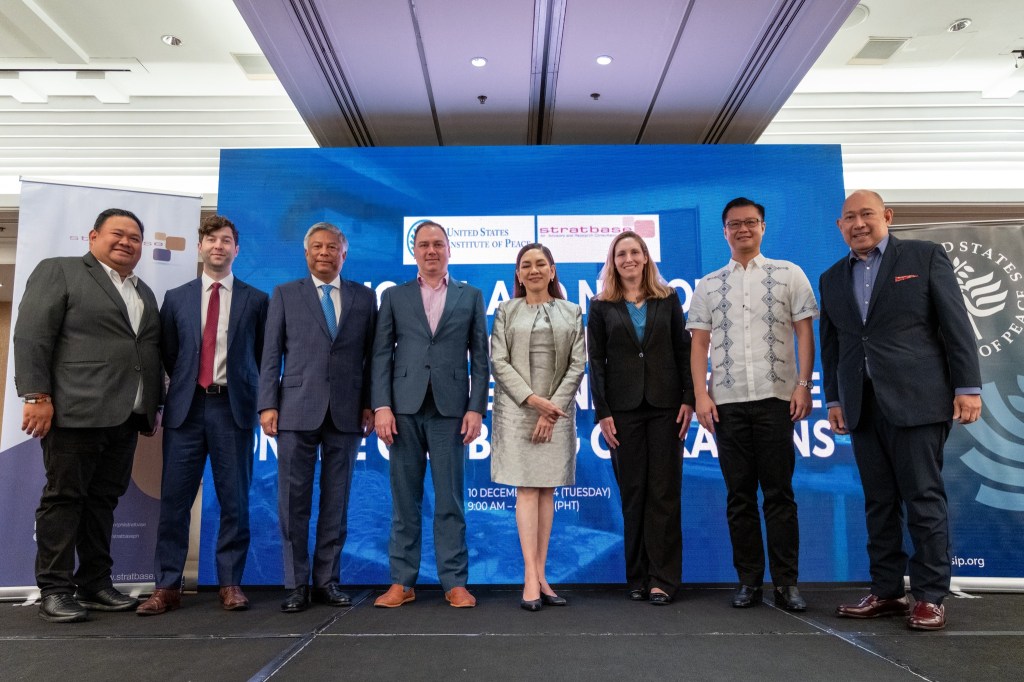
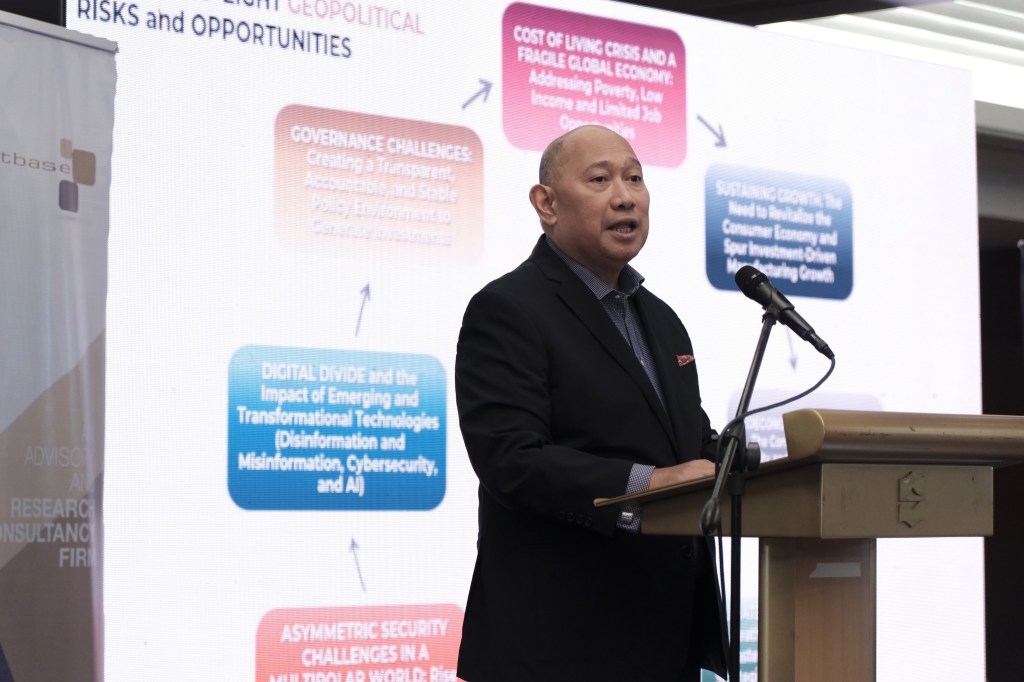
Against this backdrop, the Stratbase Institute, in partnership with the United States Institute of Peace, hosted a forum entitled “Regional and National Security Threats of Scam Centres and Offshore Online Gambling Operations” on December 10, 2024 (Tuesday), from 9:00 AM to 4:00 PM (PHT) at Makati A&B, Makati Shangri-La. The forum was conducted under Chatham House rules, meaning that participants may use the information shared through the convening without attribution.
This conference fostered insightful and productive discussions among policymakers, law enforcement officials, academics, and civil society organizations to effectively address the POGO dilemma in the Philippines, as well as a broader regional crisis related to online scamming. By identifying and proposing actionable solutions, the forum seeked to not only resolve the challenges posed by POGOs but also to identify other national and regional security threats stemming from online scam operations, and to identify best practices for neighboring countries facing similar issues.


 Stratbase Institute