
Japan and the Philippines have striking geopolitical similarities: both are archipelagic nations with export-oriented economies, strategically positioned along the First Island Chain in the Indo-Pacific. Both nations also face a common challenge at sea. Since the issuance of the Arbitral Tribunal’s award regarding the disputes between the Republic of the Philippines and the People’s Republic of China in the South China Sea, Japan has been a steadfast supporter of the Philippines’ efforts to observe the rule of law at sea. Now, building on their rich ties, Japan and the Philippines are cooperating more closely than ever to uphold a rules-based order in the region.
Cooperation between Japan and the Philippines goes further with the signing of the Reciprocal Access Agreement (RAA) in July 2024. This is a major step forward to enabling closer exercises and cooperative activities between Japan and the Philippines and improving capabilities in key areas, including humanitarian assistance and disaster relief operations.
A strong message of unity in defending territorial integrity and upholding regional stability and peace must be sent – all with a commitment to diplomacy and to opposing any unilateral attempts to change the status quo by force so as to seek peaceful resolution of conflicts.
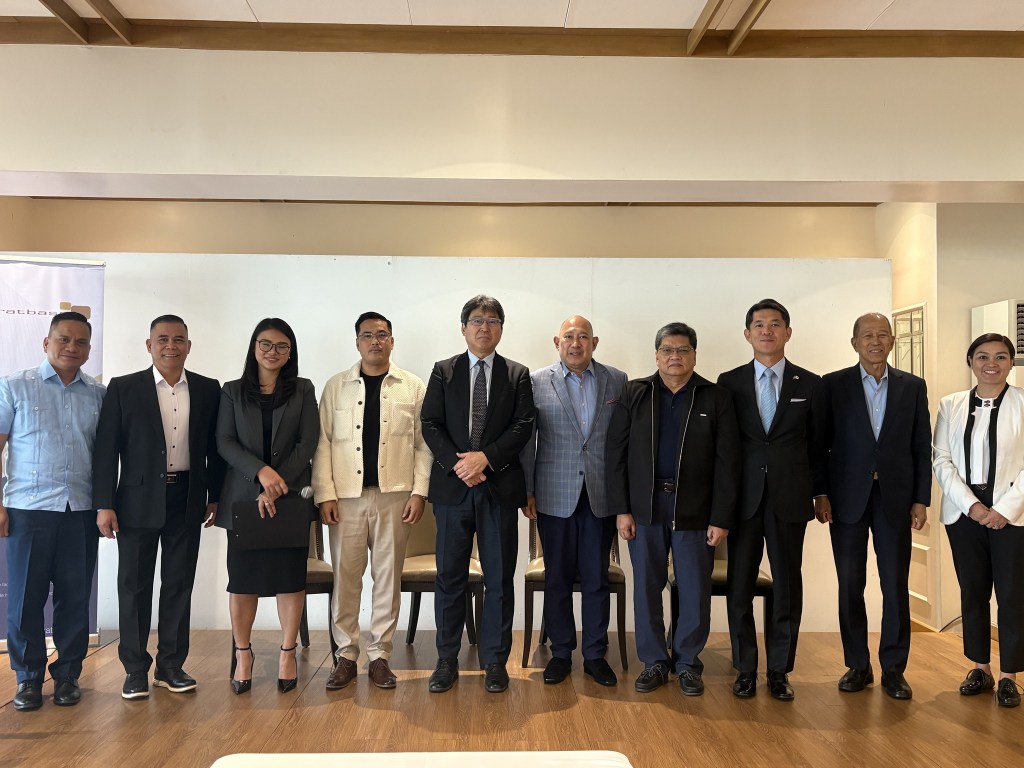
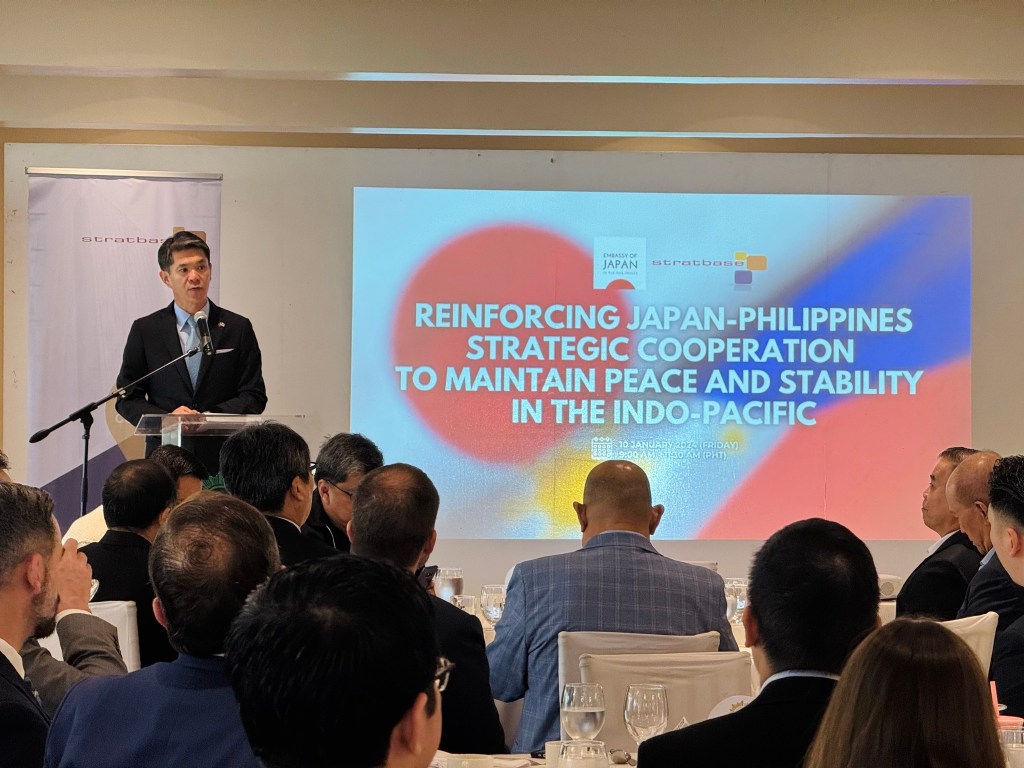
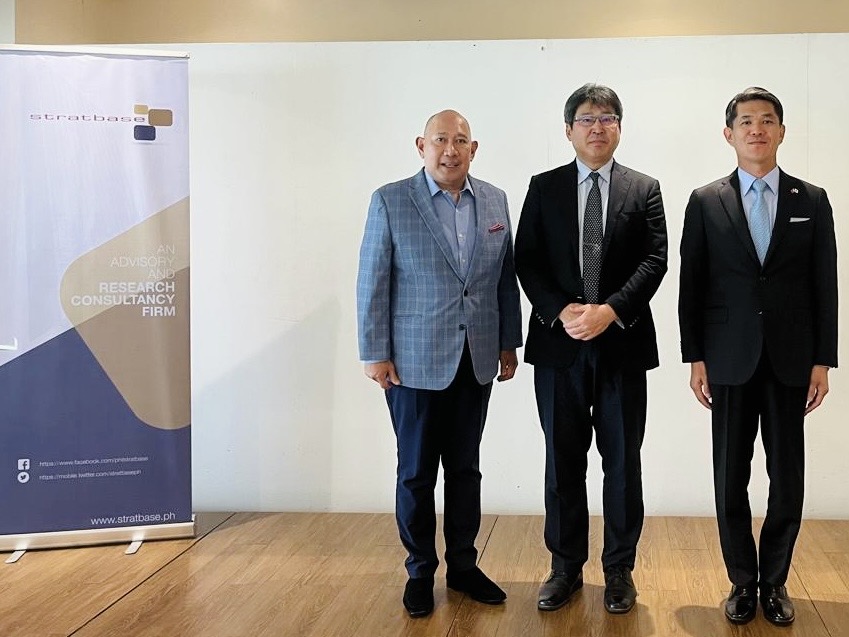
With this, the Stratbase Institute, in partnership with the Embassy of Japan in the Philippines, organized a lecture entitled, “Reinforcing Japan-Philippines Strategic Cooperation to Maintain Peace and Stability in the Indo-Pacific.” This lecture was held on 10 January 2025 (Friday) from 9:00 AM to 11:30 AM (PHT) at the Kamagong Room, Manila Golf and Country Club, Makati City. The lecture featured the esteemed Dr. Shin Kawashima, Professor at the Department of International Relations, University of Tokyo.
Dr. Shin Kawashima is a professor at the Department of International Relations of the Graduate School of Arts & Sciences, University of Tokyo. His research covers Chinese/Taiwanese diplomatic history and contemporary international relations in East Asia. He served as a Senior Fellow of the National Security Agency from 2014 to 2018 and a member of The Advisory Panel on Communications Concerning Territorial Integrity of the Office of Policy Planning and Coordination on Territory and Sovereignty from 2018 to 2019. He was engaged in education and research at the Institute of Modern History, Academia Sinica, Taipei, Beijing Center for Japanese Studies, Peking University, National Chengchi University, Taipei, and Woodrow Wilson International Center for Scholars.
The lecture explored how the behavior of China in the international arena impacts national interests and how like-minded nations such as Japan and the Philippines can foster collaboration to maintain regional peace and stability despite differing interests. It also fostered dialogue and engaged various stakeholders, including government and military officials, academe, and civil society organizations in exploring collaborative strategies to maintain regional peace and stability in the region.

 Stratbase Institute