
The Philippines remains the country most at-risk of extreme natural disasters according to the World Risk Index 2024, highlighting the nation’s continuing struggle against the impacts of climate change. Seventy-four percent of the population is vulnerable to climate-induced hazards, which threaten economic growth, social development, and the overall well-being of citizens and ecosystems. These alarming impacts underscore the immediate need for decisive leadership and transformative policies that prioritize environmental accountability and sustainability, especially in building a climate-resilient nation.
With the country facing extreme weather events every year, the Philippines—now more than ever—needs more effective disaster resilience programs integrated in a national level. This, however, can only be achieved through transparent and responsible governance of climate finance such as the Loss and Damage Fund Board. This policy instrument situates the Philippines in a strategic position to lead transformative climate action through financing and resource-sharing. Notably, the Climate Accountability Act in the works holds corporate entities accountable for their contributions to climate change, specifically their greenhouse gas emissions.
In developing a truly climate-resilient Philippines, the nation should focus on boosting sustainable consumption and strategic waste management on a local government level. This is essential to the nation’s shift to a circular economy, highlighting the need to reduce, reuse, and repurpose waste. In particular, the Extended Producer Responsibility Act mandates the private sector to adopt and implement policies for plastic packaging waste management and auditing and compliance reporting. Meanwhile, the Ecological Solid Waste Management Act encourages government agencies and other stakeholders to reduce their corporate waste and promote sustainable practices. Senator Loren Legarda has urged Filipinos to minimize their reliance on single-use plastics and transition to reusable alternatives as part of these efforts.
However, the effectiveness of these environmental policies relies heavily on transparent governance and proactive program implementation. With the 2025 mid-term elections coming up, national leaders are expected to uphold environmental accountability and sustainable development. The Filipino people need environmental stewards in office who can spearhead impactful climate action, especially delivering necessary public services aimed at addressing climate risks and waste pollution. Building more secure and resilient Filipino communities ensures not only environmental protection but also long-term socio-economic stability for the nation.
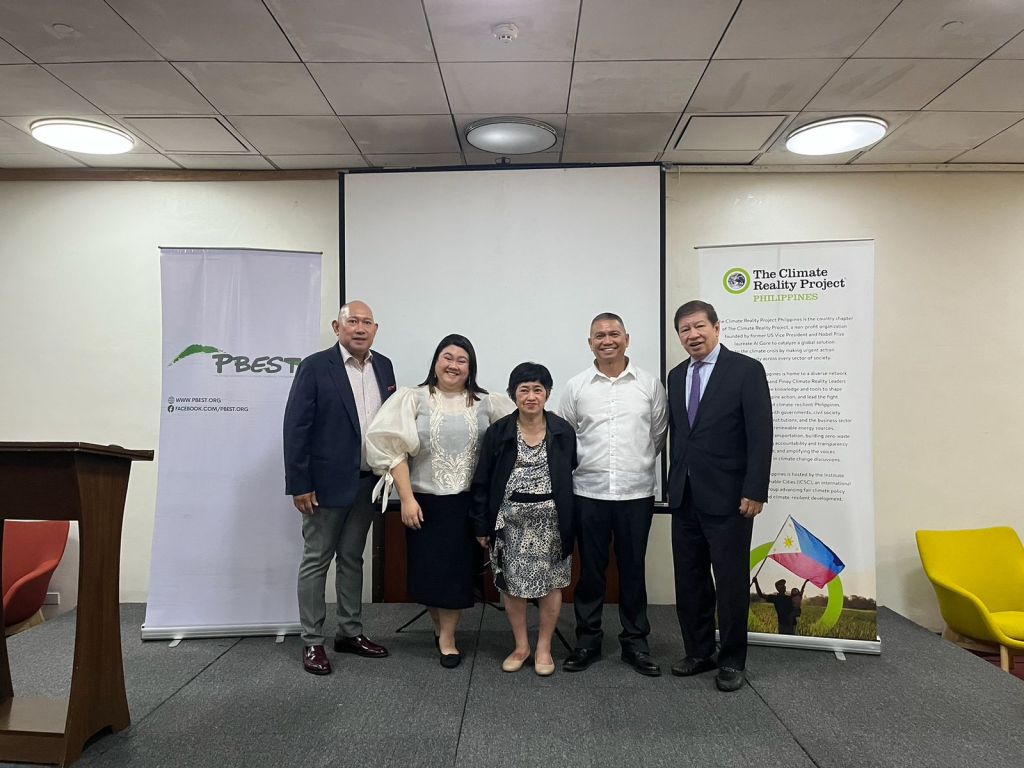
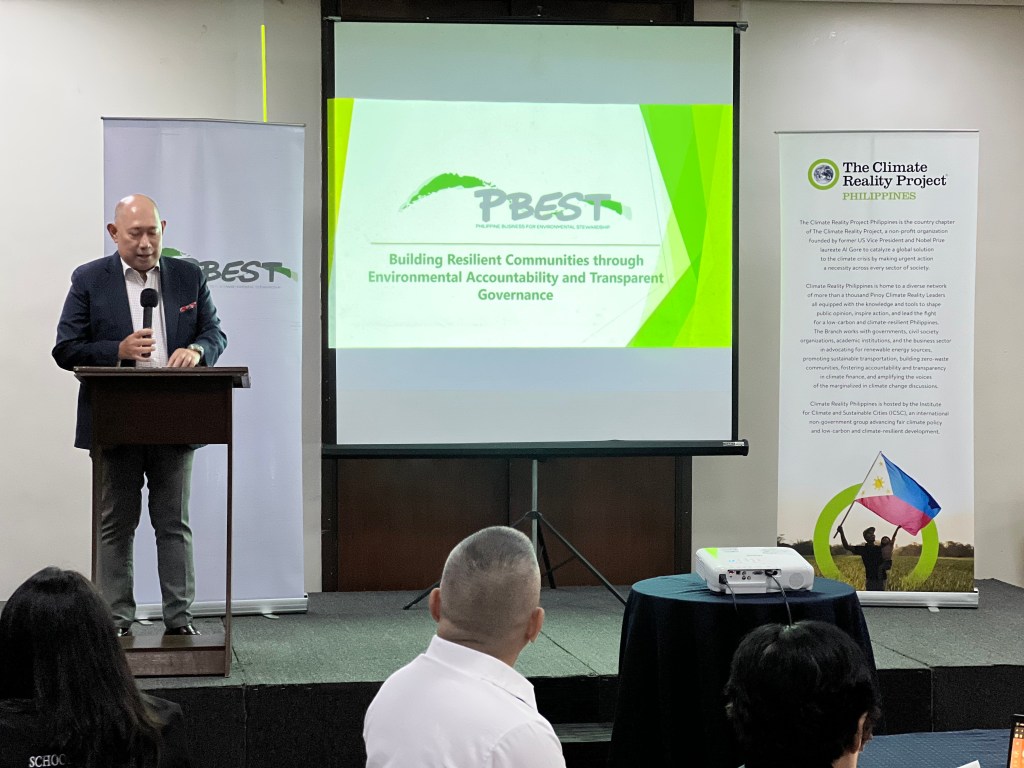
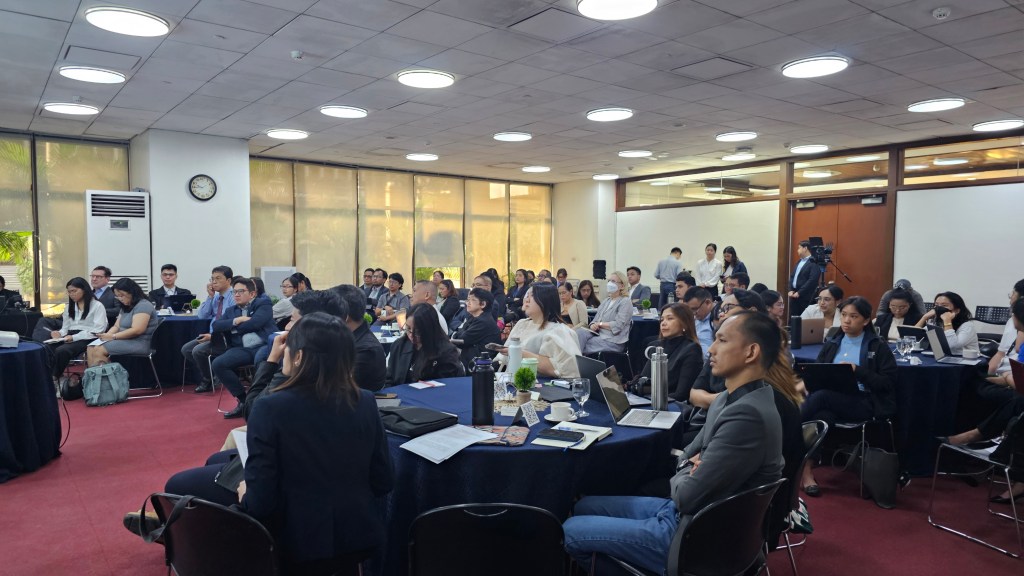
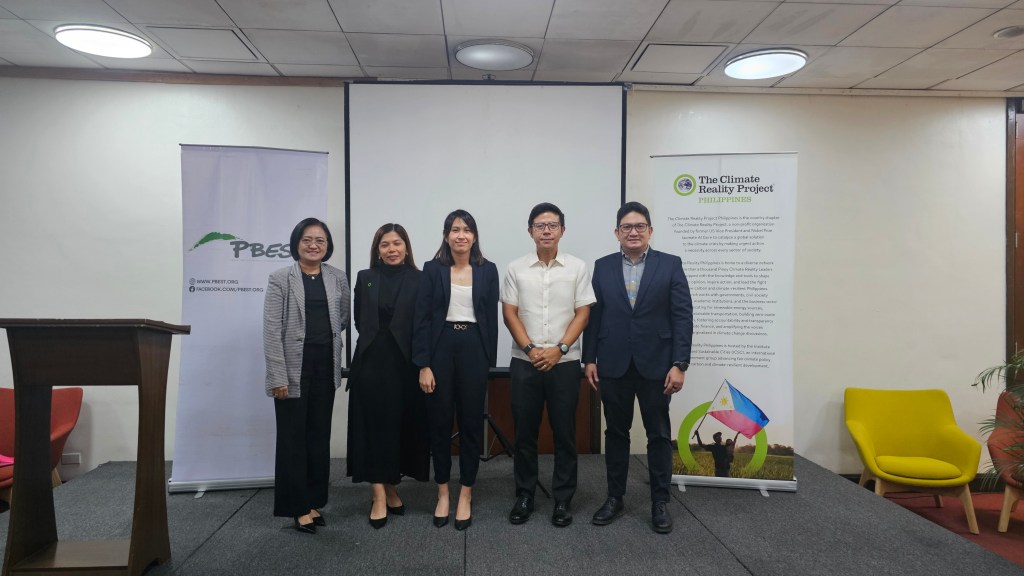
In this light, the Philippine Business for Environmental Stewardship and the Climate Reality Project Philippines hosted a roundtable discussion titled, “Building Resilient Communities through Environmental Accountability and Transparent Governance”, on 17 February 2025 from 9:00 A.M. to 11:30 PM at the Function Rooms 1-4, AIM Conference Center, Makati City. The roundtable discussion served as a platform for stakeholders, including government agencies, academic institutions, and civil society groups to identify challenges and opportunities in national climate efforts on community resilience and sustainable consumption.
As a driver for electoral discussions on the environment, this event gathered key stakeholders from the government, diplomatic community, academe, and think tanks to develop a comprehensive and collaborative strategy on climate resilience focusing on the circular economy for national sustainability.
 Stratbase Institute