
On July 12, 2016, the Permanent Court of Arbitration issued a historic ruling under the United Nations Convention on the Law of the Sea (UNCLOS) in favor of the Philippines. The arbitral victory validated the country’s maritime entitlements and rejected the baseless claims of China under international law.
Nine years later, aggressive and coercive actors continue to disregard this ruling, undermining the rule-based international order. A record-high of 260 Chinese vessels—including warships, coast guard ships, and maritime militia—swarmed various areas of the West Philippine Sea in early 2025. This persistent illegal presence, coupled with increased maritime aggression, is a violation of Philippine sovereignty and territory and a direct affront to the rule of law.
Yet amidst these incursions, the Philippines continues to uphold its commitment to a rules-based order. In his third State of the Nation Address, President Marcos Jr. outlined two key strategies to strengthen the country’s defense posture: developing self-reliance and fostering partnerships with like-minded states. Alongside its partners, the Philippines continues to champion peace by pursuing stronger defense cooperation across the Indo-Pacific and beyond—ultimately weaving a resilient and determined network committed to regional security.
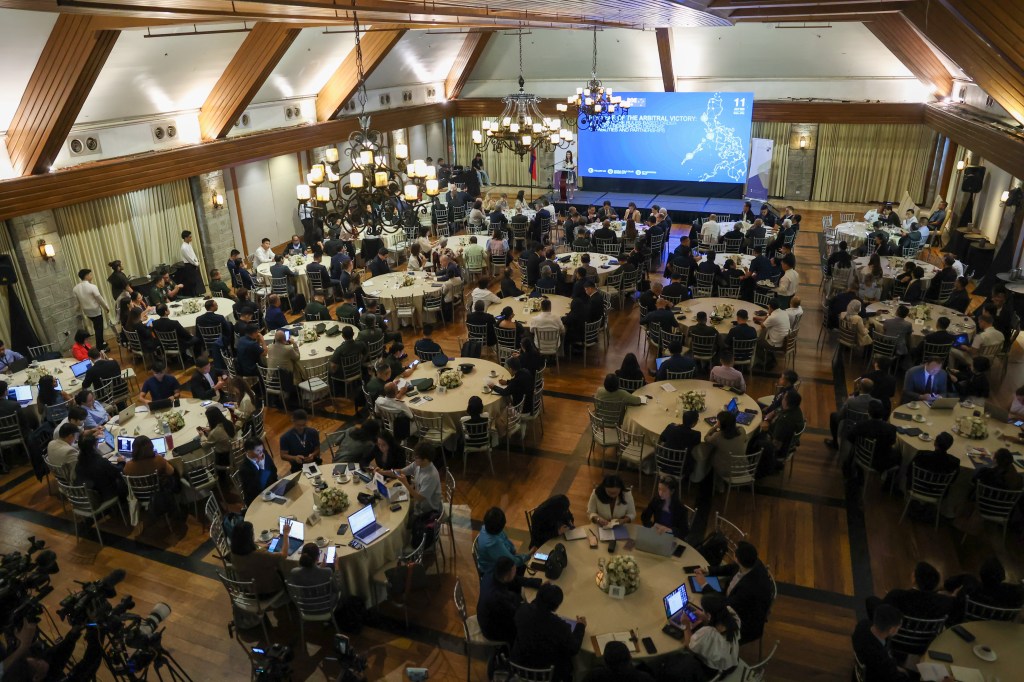
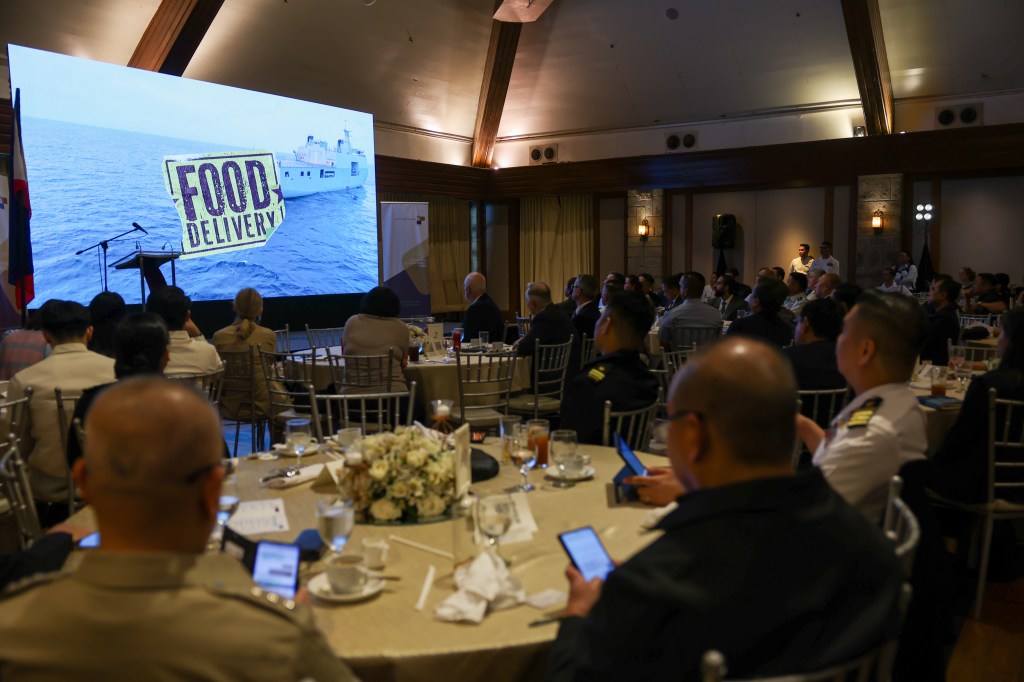
As the Philippines commemorates the 9th anniversary of the 2016 Arbitral Award, it does so with renewed resolve and enhanced capabilities. In this light, the Stratbase Institute in partnership with the Australian Embassy in the Philippines hosted a conference entitled “9th Year of the Arbitral Victory: Defending the Rules-Based Order through Reinforced Defense Capabilities and Partnerships.” The conference was held on 11 July 2025 (Friday), from 9:00 AM to 4:30 PM (PHT), at the Main Lounge, Manila Polo Club, Makati City.
The event brought together government officials, members of the diplomatic community, scholars, and policy experts in an in-person discussion to exchange views on the strategic value of the arbitral victory, particularly in maintaining a rules-based international order in the Indo-Pacific.






 Stratbase Institute