
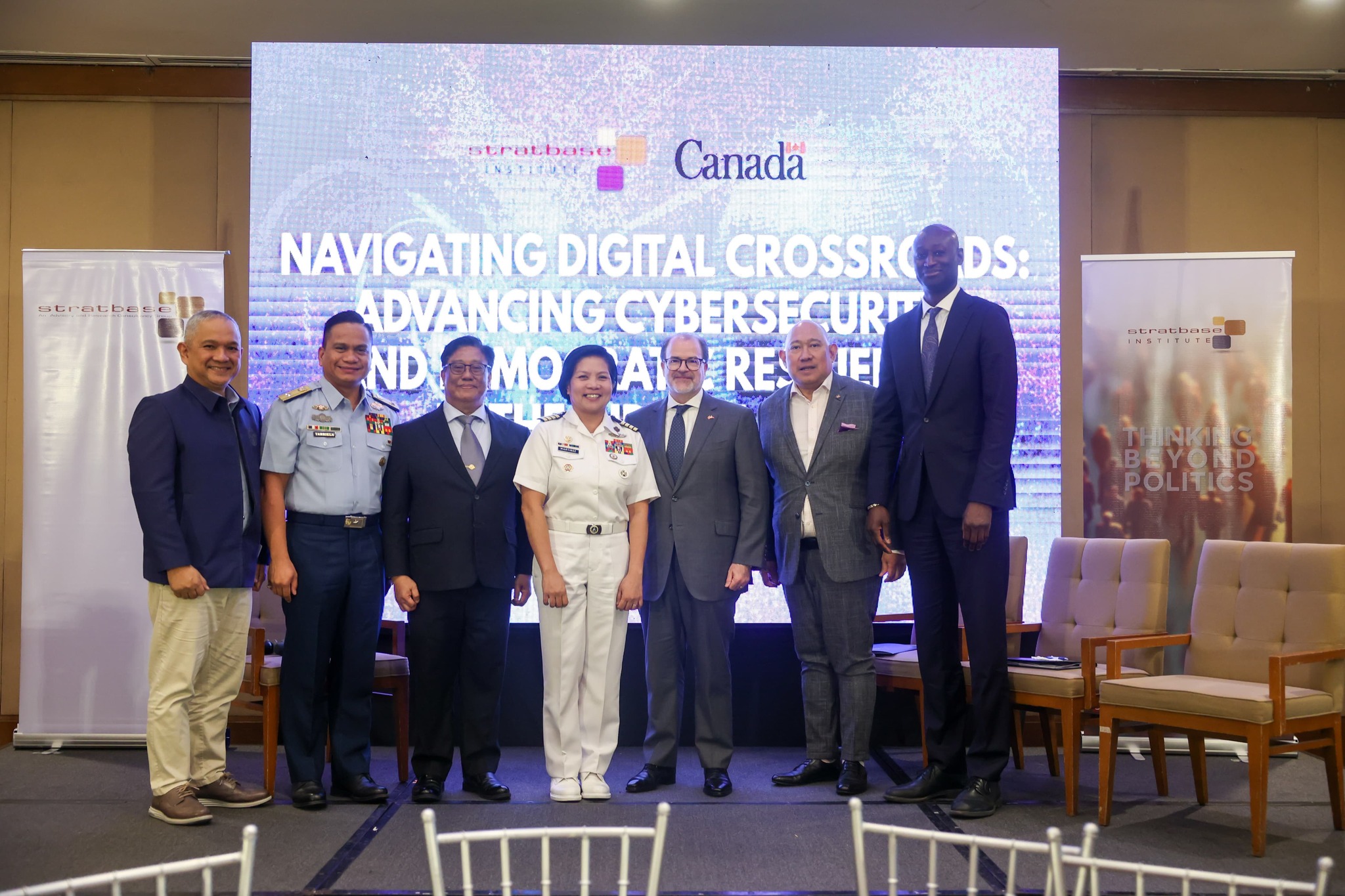
Now in its third year, the Stratbase Group, in collaboration with the Embassy of Canada, held its two-day conference entitled “Navigating Digital Crossroads: Advancing Cybersecurity and Democratic Resilience in the Indo-Pacific,” from February 19 to 20, 2026, at the Manila Polo Club. The conference focused on strengthening cybersecurity, managing emerging technologies, and enhancing national and democratic resilience by addressing hybrid warfare, cyber espionage, cybercrime, and foreign information manipulation and interference.
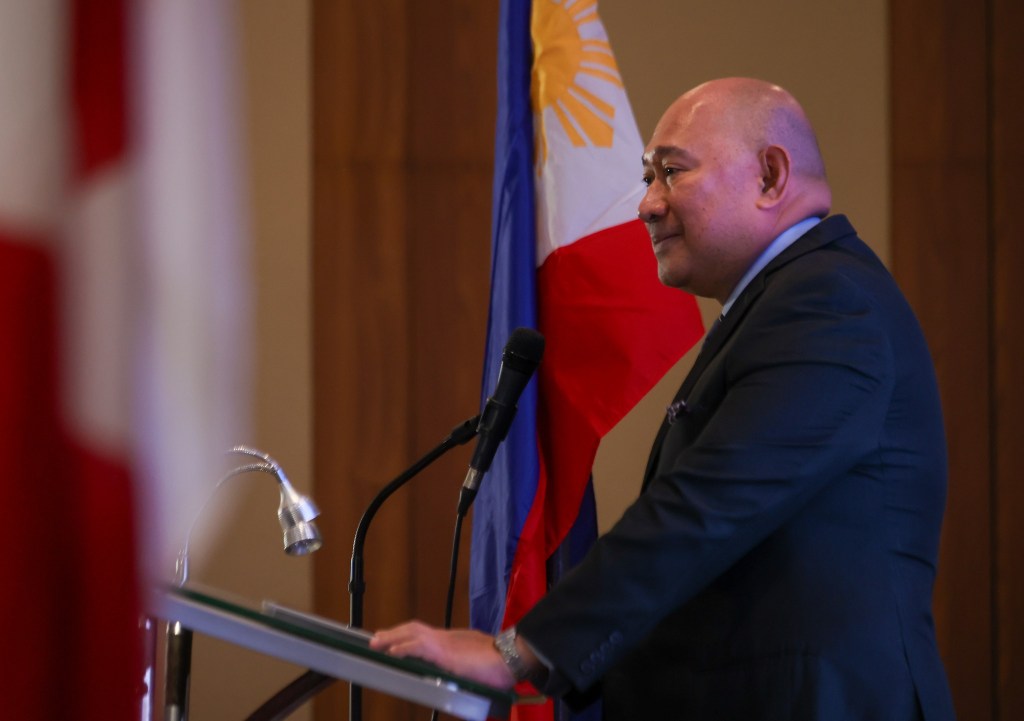
In his closing remarks, President Prof. Dindo Manhit stressed that beyond disinformation and misinformation is foreign interference and malign influence, which deliberately manipulates public sentiment, deepens polarization, and erodes trust in democratic institutions. He urged coordinated action and the election of capable leaders amid rapid geopolitical and technological changes as 2028 approaches.
His Excellency David Hartman, Ambassador of the Embassy of Canada in the Philippines, highlighted that cybersecurity and information integrity have become democratic imperatives. He reaffirmed Canada’s commitment to advancing cyber governance, capacity-building, and cross-border cooperation.
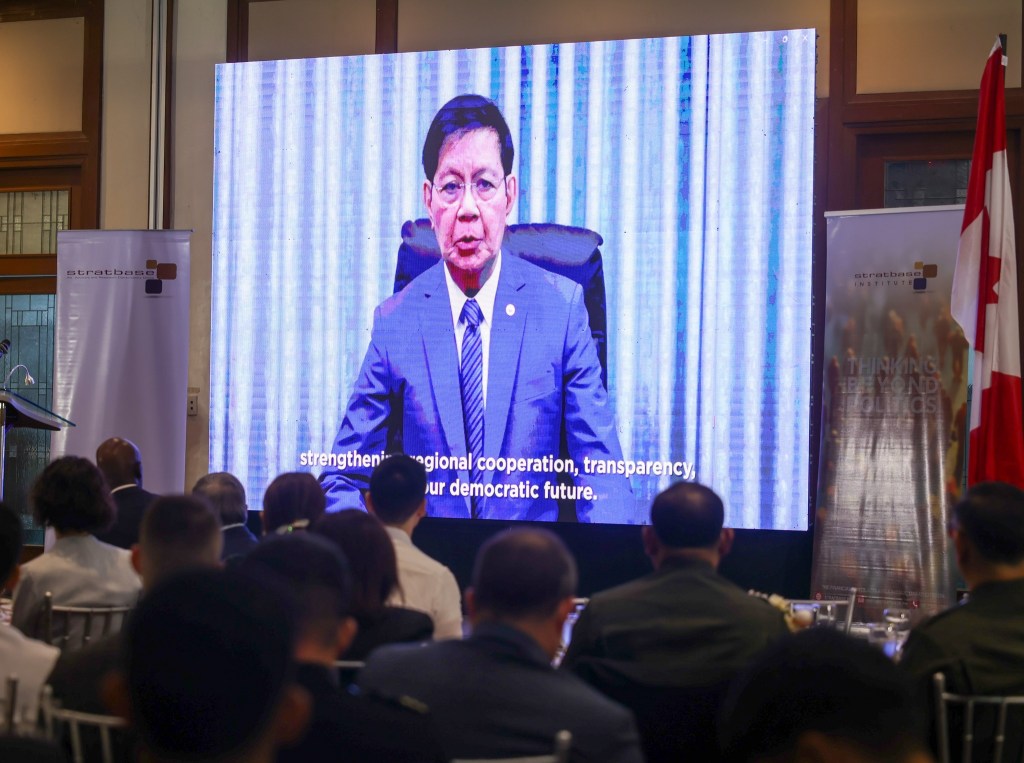
In his keynote message, Senate President Pro Tempore Panfilo “Ping” Lacson emphasized the importance of modernizing our anti-espionage efforts and highlighted his proposed legislation Senate Bill No. 33 as a crucial measure to strengthen the Philippines’ defenses against emerging and cross-border threats.
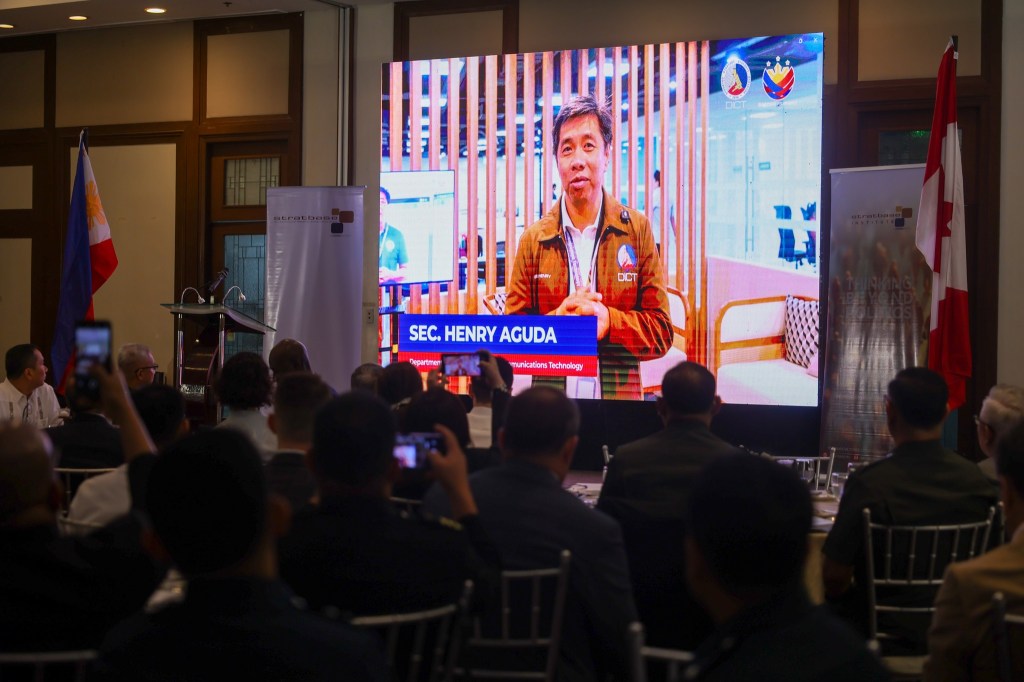
Meanwhile, Department of Information and Communications Technology Sec. Henry Aguda emphasized that cyber threats from attacks on critical infrastructure to foreign information manipulation are felt by Filipinos every day. He underscored the government’s commitment to building a safer and more resilient digital Philippines through a whole-of-society approach grounded in trust and shared responsibility.
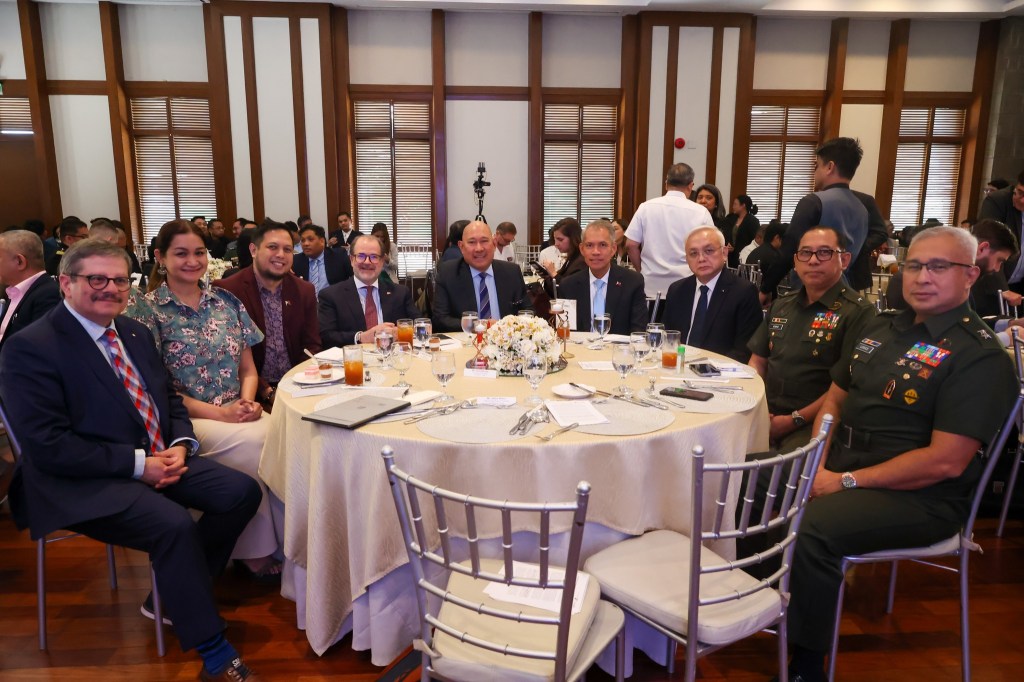
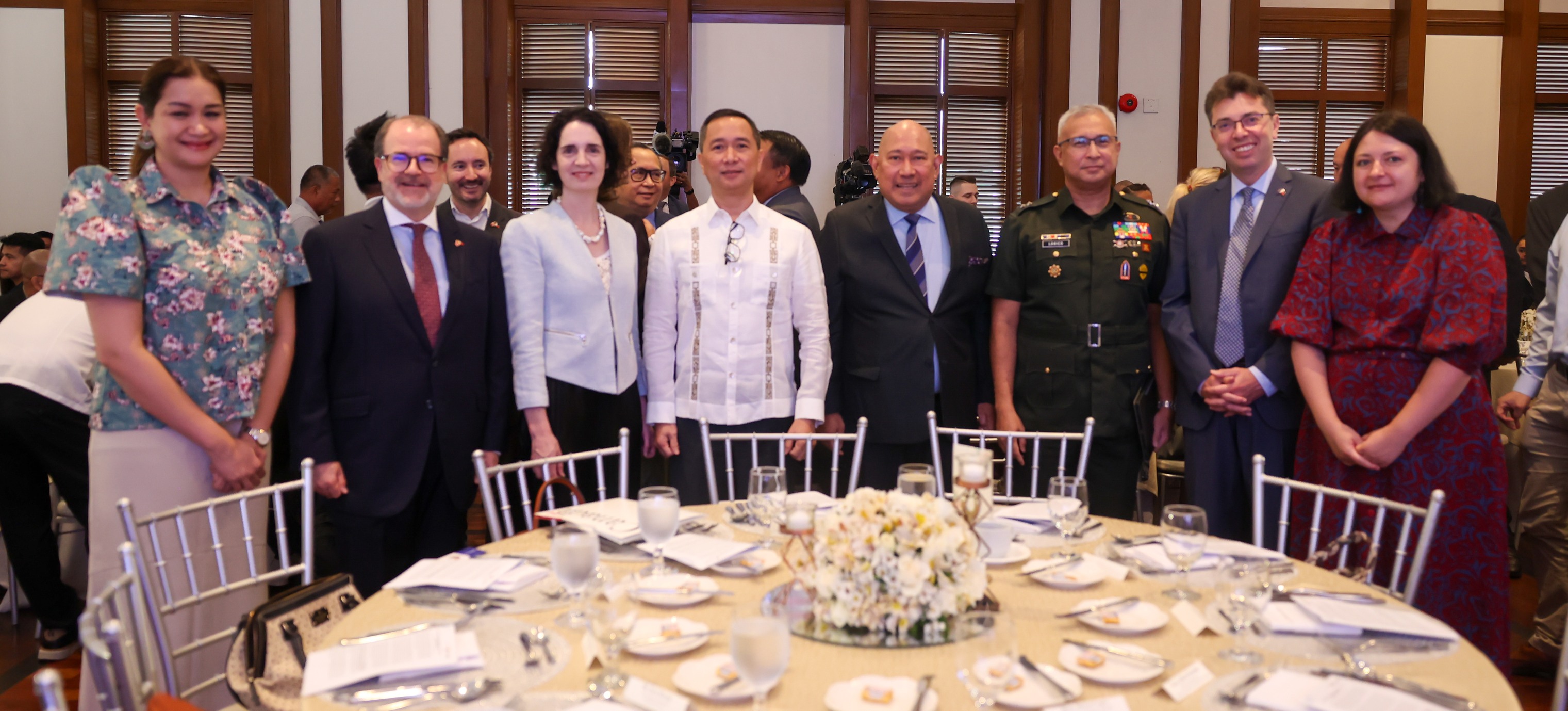
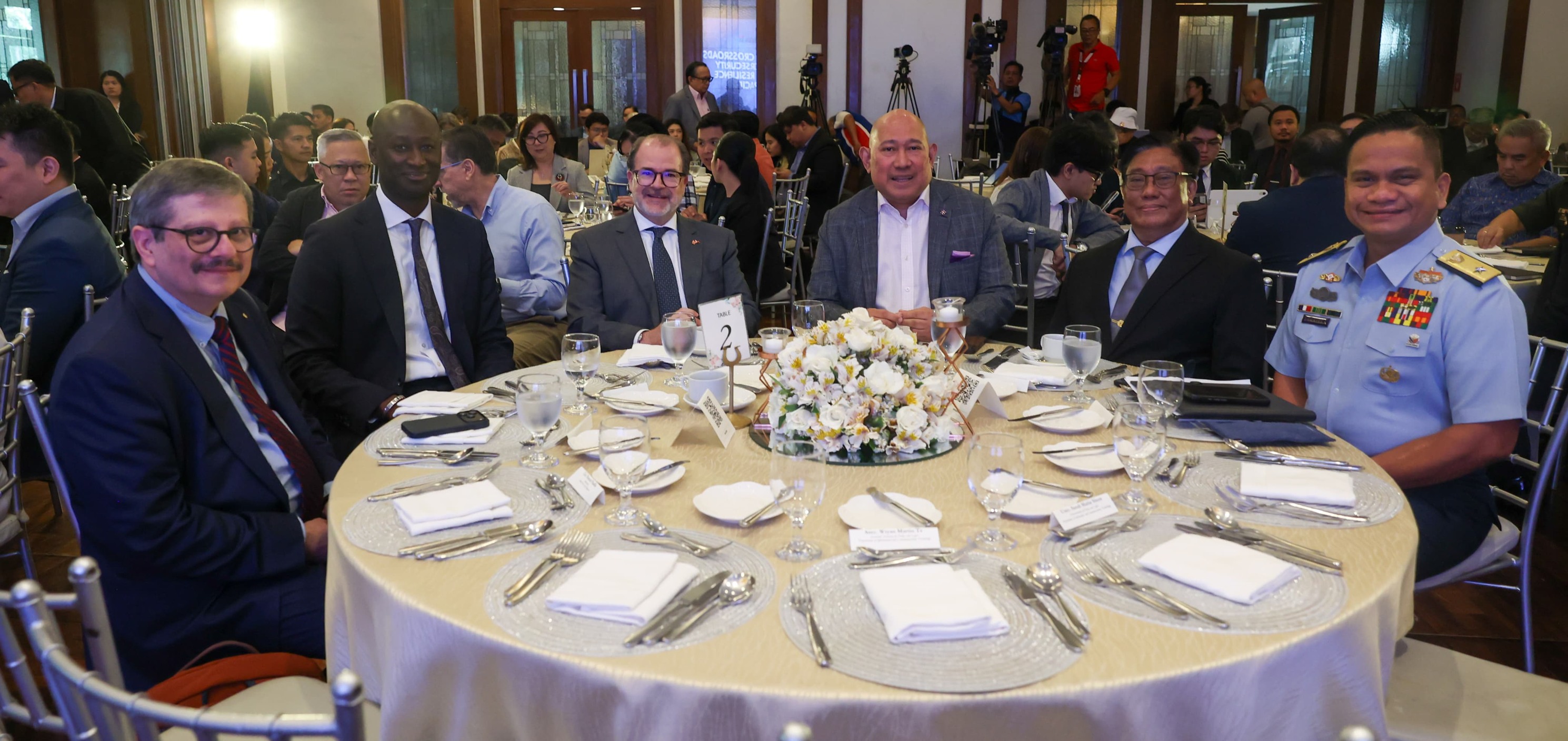
The conference was joined by key government and military officials, including Department of Information and Communications Technology Usec. Julius Gorospe, Cybercrime Investigation Coordinating Center Executive Director Usec. Aboy Paraiso, National Security Council Assistant Director General for Planning and Knowledge Management, Spokesperson, and Cybersecurity Lead ADG Cornelio Valencia Jr., Philippine Army Training and Doctrine Commander MGen. Michael Logico, Armed Forces of the Philippines Cyber Commander BGen. Joey Fontiveros, AFP Assistant Deputy Chief of Staff for Command, Control, Communications, Computers, Intelligence, Surveillance, Target Acquisition, and Reconnaissance (C4ISTAR) Systems, AJ6 BGen. Walter Icaro, Philippine Coast Guard Spokesperson for the West Philippine Sea COMMO Jay Tarriela, and Philippine National Police’s Chief of Cyber Response Unit, Anti-Cyber Crime Group PCOL. Jay Guillermo.
The Institute remains committed to fostering discussions that contribute to strengthening our national security, especially at a time when sovereignty is tested not only at sea but also in cyberspace.
 Stratbase Institute