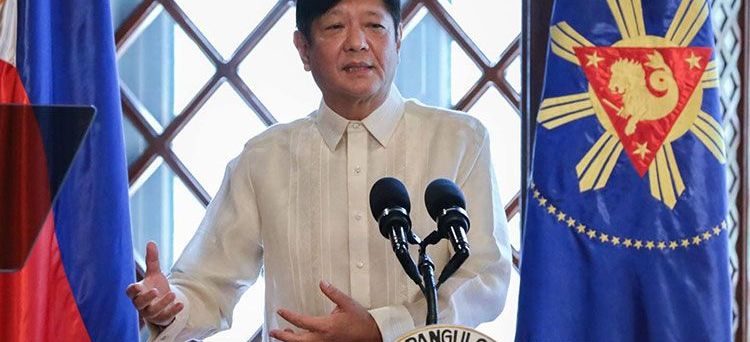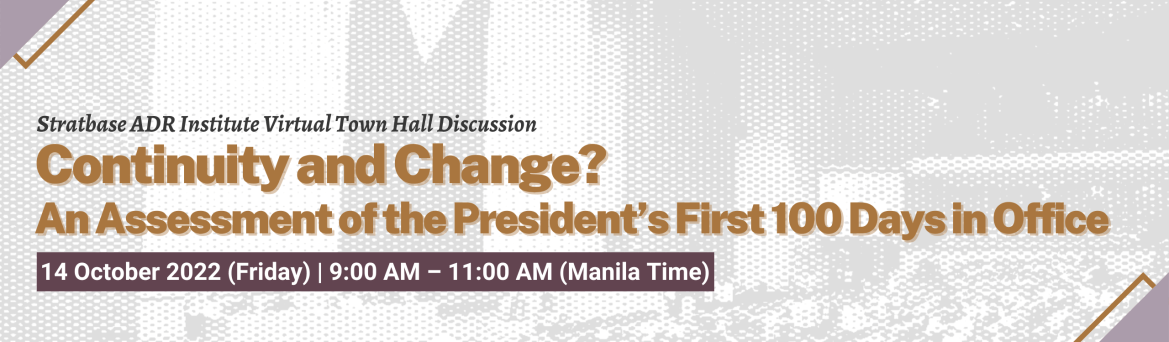
Cautious optimism is the phrase that came to mind as I listened to an online public forum that evaluated the first 100 days of the presidency of Ferdinand Marcos Jr.
Organized by think-tank Stratbase ADR Institute, together with advocacy group Democracy Watch Philippines which opened with its president Prof. Victor Andres “Dindo” Manhit aptly setting the context and the people’s expectations of the Marcos’ administration’s daunting challenge of addressing social inequality, poverty, unemployment, inflation, corruption, digital gap, climate change, to traditional security risks. Read More